Aug 1, 2020 | News on Citizen Science
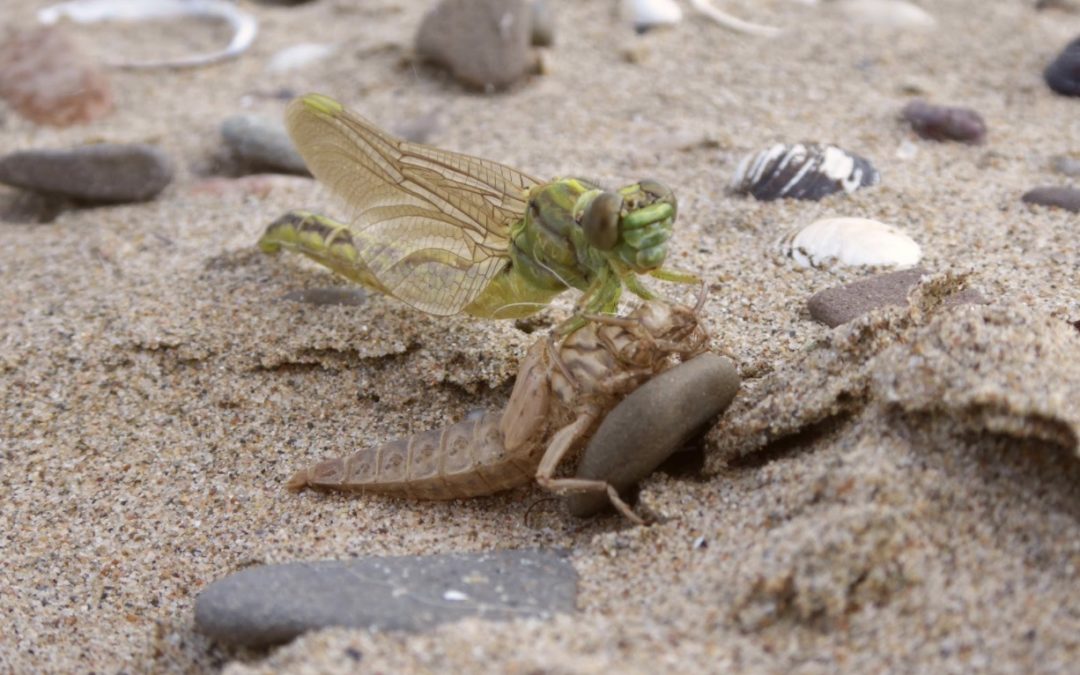
Dragonflies are often conspicuous animals but some are not easy to find. The river clubtail (Stylurus flavipes) is an example of the latter. This species lives in the sand on the bottom of large rivers as a larva and the adults wander around in large areas near the...

Jul 16, 2020 | News on Citizen Science
Social interaction between participants can lead to increased number of contributions, increased number of participants, and long-term participation. Opportunities for social interaction are especially promising for retaining participants on the long-term...

Jul 12, 2020 | News on Citizen Science
On average, citizen science projects are not very diverse in terms of demographics. The main domains in which the demographics of the participants are skewed are age, educational background, gender, race, cultural background, and (dis)ability – the “average”...

Jul 7, 2020 | News from ACTION
From its inception, the ACTION project has been coordinated by Professor Elena Simperl from the University of Southampton and her team. As of February 2020, Professor Simperl has moved to King’s College London – and so has the ACTION project, including the...
Jun 30, 2020 | News on Citizen Science
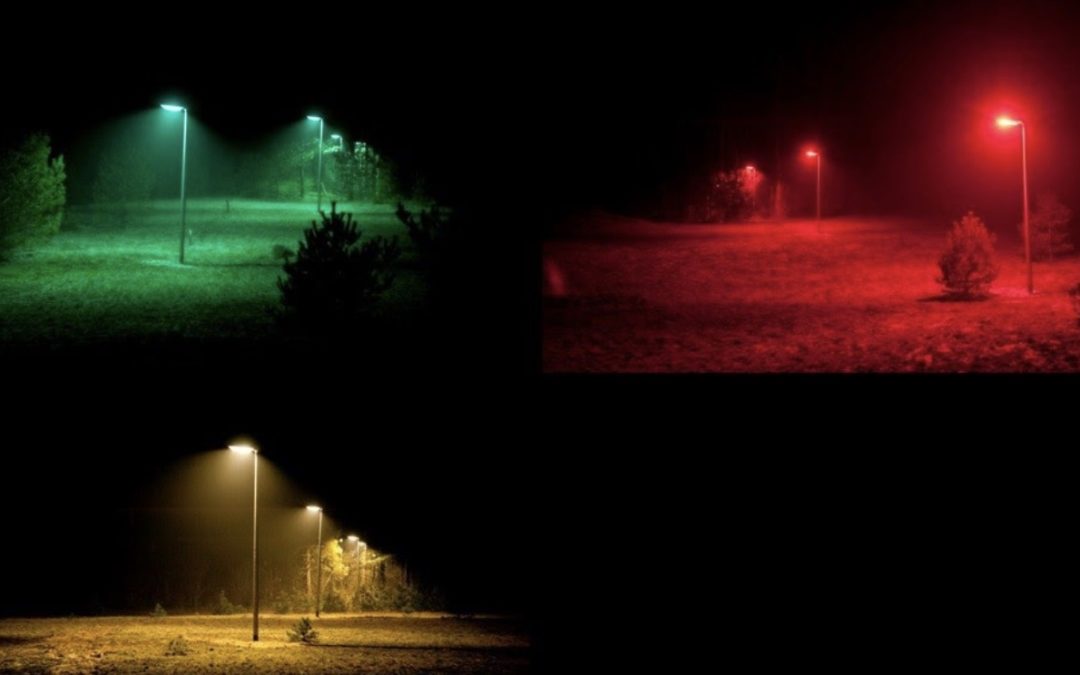
By Roy van Grunsven – DBC Light pollution is well known to affect individual moths. To what extent this also has a negative impact on moth populations was unknown. Insects can lay a lot of eggs and food availability and larval survival may determine population...